

Safe Oral Care During Pregnancy Guide for 2026
Table of Contents
- Why Oral Care During Pregnancy Deserves Extra Attention
- Pregnancy Gingivitis Symptoms You Should Not Ignore
- The Benefits of Sea Salt Rinse for Gums During Pregnancy
- Building a Daily Oral Hygiene Routine That Works
- Managing Morning Sickness and Acid Erosion
- Dental Visits, X-Rays, and Anesthesia: What Is Safe
- Gum Disease, Preterm Birth, and Low Birth Weight
- Postpartum Oral Health: Continuing Care After Birth
- Frequently Asked Questions
Last Updated: September 28, 2026
Why Oral Care During Pregnancy Deserves Extra Attention
Pregnancy changes nearly every system in the body, and the mouth is no exception. This guide from SoSalt explains why oral care during pregnancy deserves more attention than most prenatal checklists give it, and how a few consistent habits protect both mother and baby.
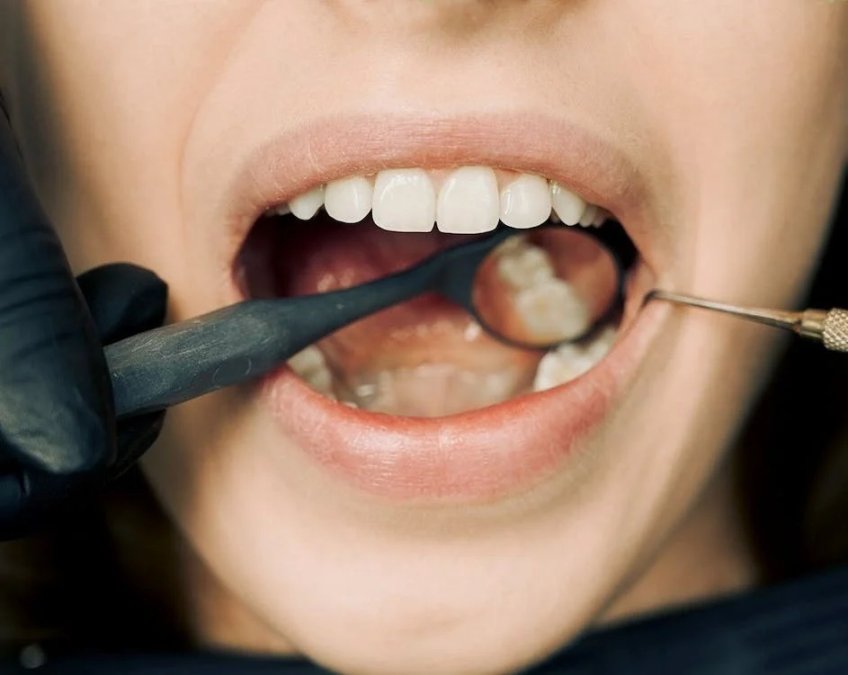
Pregnancy Gingivitis Symptoms You Should Not Ignore
Pregnancy gingivitis symptoms include red, swollen gums that bleed when you brush or floss, persistent bad breath, and tenderness along the gumline. These signs typically appear in the first trimester and peak in the second.
How Hormonal Changes Affect Your Gums
Rising progesterone increases blood flow to gum tissue, making it more sensitive to the bacteria in plaque buildup. Even small amounts of plaque that would normally cause no reaction can trigger gum inflammation during pregnancy.
When Gum Inflammation Needs a Dentist's Eyes
Most pregnancy gum inflammation settles with improved hygiene. See a dentist if gums bleed heavily for more than a week, if a single area becomes painful and swollen, or if you notice a soft red lump along the gumline, which may be a pyogenic granuloma.
The Benefits of Sea Salt Rinse for Gums During Pregnancy
A sea salt rinse for gums is one of the gentlest ways to calm irritated tissue and keep the mouth clean between brushings. SoSalt offers a natural, alcohol-free rinse made from pure sea salt, formulated to kill germs and bacteria and help control and reduce infections.
Building a Daily Oral Hygiene Routine That Works
A workable routine takes about five minutes, twice a day. Consistency matters more than intensity, especially once morning sickness makes you dread the bathroom.
- Brush for two minutes with a soft-bristled toothbrush and fluoride toothpaste
- Floss once daily, ideally at night, using a gentle sawing motion rather than snapping
- Rinse with a salt solution such as SoSalt to reach gum pockets and soothe tissue
- Drink water after snacks to reduce acid and sugar sitting on enamel
Choosing a Soft-Bristled Toothbrush and Fluoride Toothpaste
A soft-bristled toothbrush protects swollen gums from further irritation, and fluoride toothpaste remains the standard for preventing tooth decay. Replace the brush every three months, or sooner if bristles splay.
Managing Morning Sickness and Acid Erosion
Morning sickness does more than disrupt your day; repeated vomiting bathes teeth in stomach acid, and that acid erosion thins enamel over time. Enamel does not regenerate, so the goal is to interrupt the acid attack before it demineralizes the surface.
A Step-by-Step Routine After Vomiting
- Do not brush immediately. Give enamel time to re-harden.
- Rinse gently with water or a salt rinse such as SoSalt to help clear acid and food particles from the mouth without abrasive scrubbing.
- Wait about 30 minutes.
- Brush with a soft-bristled toothbrush and fluoride toothpaste.
Fluoride toothpaste supports remineralization once the mouth has rebalanced, which is why it belongs in the second step of the sequence, not the first.
Reducing the Number of Acid Attacks
- Keep bland crackers nearby for early-morning nausea and eat a small amount before getting out of bed.
- Sip water throughout the day to dilute acid and support saliva flow.
- Avoid brushing right after citrus, soda, or other acidic foods for the same reason you avoid brushing after vomiting.
- Tell your dentist if vomiting is frequent, since enamel erosion can progress quickly with repeated exposure and may warrant a fluoride-focused plan.
If nausea is severe enough that you cannot keep fluids down, that is a conversation for your obstetric provider, not just your dentist, dehydration and poor nutrition affect oral health and overall pregnancy health together.
Dental Visits, X-Rays, and Anesthesia: What Is Safe
Routine dental cleaning is safe and encouraged during pregnancy, and the second trimester is generally the most comfortable window for elective treatment. Preventive care protects against problems that are harder to treat later.
Gum Disease, Preterm Birth, and Low Birth Weight
Periodontal disease in pregnancy is associated with higher rates of preterm birth and low birth weight in obstetric research. The association is well documented enough that major health organizations treat oral health as part of prenatal care, not a separate concern.
The Mechanism Behind the Link
Gum disease is an infection, and infected tissue triggers an inflammatory response. In periodontal disease, inflammatory compounds, including prostaglandins and cytokines, can enter the bloodstream. Because preterm labor is itself driven in part by inflammatory signaling, researchers believe gum inflammation may contribute to that cascade. The current understanding is that the relationship is an association, not proof that gum disease causes early delivery in every case, and research continues.
What the Major Organizations Say
The American College of Obstetricians and Gynecologists guidance on oral health in pregnancy encourages dental care as a routine part of pregnancy, including cleanings and necessary treatment. The CDC information on oral health and pregnancy notes that dental treatment during pregnancy is safe and important for overall health. Both positions matter because they counter the outdated belief that dental work should be postponed until after delivery.
Why This Changes Your Routine
- Bleeding gums are a signal to act, not a normal pregnancy symptom to endure.
- A daily routine that reaches below the gumline matters more than a quick surface brush.
- A salt rinse such as SoSalt can help calm irritated tissue and support gum health between brushings, alongside flossing and soft-bristled brushing.
- A dental cleaning during pregnancy is preventive care, not an elective luxury.
If you notice a single area that is painful, swollen, or bleeding heavily for more than a week, see a dentist rather than waiting for your next scheduled visit.
Postpartum Oral Health: Continuing Care After Birth
Postpartum oral health deserves the same attention as the prenatal months, and most new mothers drop it entirely. Sleepless nights, nursing schedules, and skipped meals push brushing to the bottom of the list.
| Stage | Focus | Routine |
|---|---|---|
| First trimester | Manage nausea, watch for bleeding gums | Gentle brushing, salt rinse, early dental visit |
| Second trimester | Best window for cleanings and treatment | Full hygiene routine, address inflammation |
| Third trimester | Comfort and positioning | Shorter sessions, upright chair position |
| Postpartum | Rebuild consistency | Resume check-ups, maintain salt rinse |
Frequently Asked Questions
What oral health guidance should you give a pregnant patient?
Pregnant patients should brush twice daily with fluoride toothpaste, floss once a day, and rinse with a gentle salt solution like SoSalt to reduce plaque buildup. Schedule a dental cleaning in the second trimester, avoid elective procedures in the first and third, and report any gum inflammation or bleeding promptly. Morning sickness should be managed by rinsing with water before brushing to limit acid erosion.
Is it safe to use a sea salt rinse while pregnant?
Yes. A sea salt rinse is safe during pregnancy when used as directed. SoSalt offers seven individually wrapped doses per pack, made from pure sea salt extracted from unspoiled caves. It is alcohol-free and iodine-free, so it will not irritate sensitive gums or introduce ingredients you want to avoid. Gargle and spit or use it in a water pick for a deeper clean.
How do hormonal changes affect oral health during pregnancy?
Rising progesterone and estrogen increase blood flow to gum tissue, making it more reactive to plaque. This can cause gingivitis of pregnancy, with symptoms like redness, swelling, and bleeding when brushing. Without good oral hygiene, plaque buildup can progress to periodontal disease, which has been linked to preterm birth and low birth weight. Consistent brushing, flossing, and a gentle salt rinse help keep inflammation in check.
When should I schedule a dental checkup during pregnancy?
The second trimester is the ideal window for a routine check-up and dental cleaning. By then, morning sickness has usually eased, and you can lie back comfortably for treatment. If you need a filling or local anesthesia, your dentist can use pregnancy-safe options with a lead apron for any X-rays. Emergency dental infection should be treated at any stage to prevent oral health complications.
How can I manage pregnancy-related oral sensitivity naturally?
Switch to a soft-bristled toothbrush and brush gently along the gumline. Rinse with a pure sea salt solution like SoSalt after meals to soothe gum inflammation and reduce bacteria. Avoid very hot or cold foods that trigger sensitivity, and stay hydrated. If sensitivity persists or you notice a pyogenic granuloma, see your dentist for an evaluation.
What is the 3-3-3 rule for teeth?
The 3-3-3 rule suggests brushing for three minutes, three times a day, within three minutes of eating. While three minutes of brushing is thorough, most dental professionals recommend two minutes twice daily with a soft-bristled toothbrush. During pregnancy, the key is consistency: brush morning and night, floss daily, and use a gentle salt rinse like SoSalt to support gum health between meals.
What are the recommended oral care practices during pregnancy?
Brush twice daily with fluoride toothpaste, floss once a day, and rinse with an alcohol-free salt solution such as SoSalt. Drink water with fluoride, limit sugary snacks, and eat calcium-rich foods. Manage morning sickness by rinsing with water before brushing. See your dentist for a cleaning in the second trimester, and report any gum bleeding, swelling, or tooth pain right away.
Why is oral health care especially important during pregnancy?
Oral health complications like periodontal disease are linked to preterm birth and low birth weight. Hormonal changes make gums more vulnerable to plaque buildup, so preventative care protects both you and your baby. Regular dental cleaning, a consistent oral hygiene routine, and a gentle salt rinse reduce the risk of infection. Good oral care during pregnancy also supports fetal development by keeping systemic inflammation low.
Pregnancy already asks a lot of your body, and oral care should not add to the burden. SoSalt makes the rinse step simple with pure sea salt doses that kill germs and bacteria, help control and reduce infections, and come alcohol-free in individual packets sized for a water pick or a quick gargle. Add SoSalt to your cart and keep one less thing on your prenatal checklist.